
What Should You Do When You Have Golfer’s Elbow?
Monday, 28 April 2025


Golfer's elbow is a condition that causes pain on the inside of the elbow due to repetitive movements. Recognize the symptoms and learn how to manage it to stay productive.
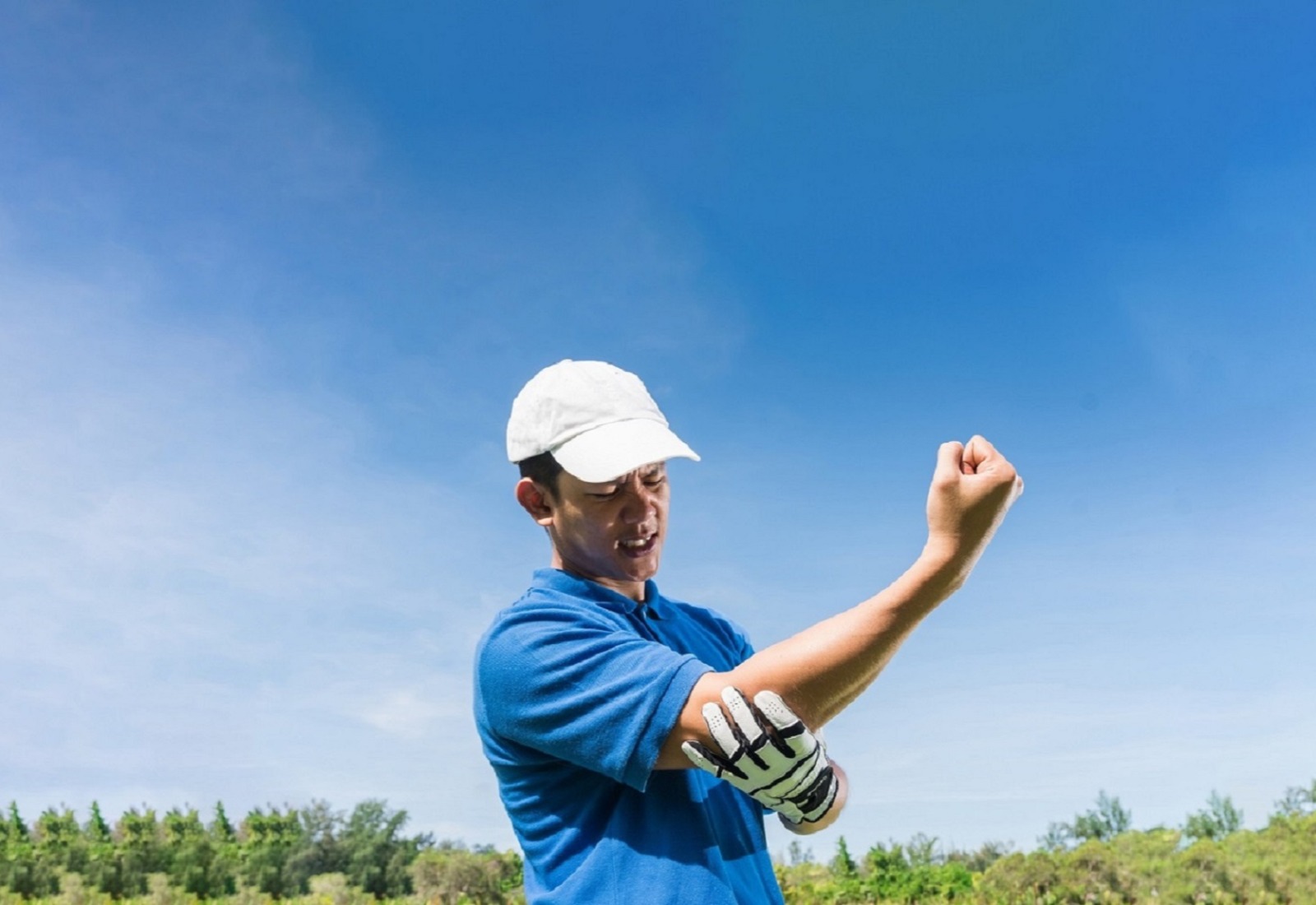
You've probably heard of tennis elbow, right? But have you heard of golfer's elbow? Let's discuss it together.
Golfer’s elbow, or medial epicondylitis, is a condition characterized by pain on the inner side of the elbow caused by inflammation or irritation of the tendons that attach to the bony bump on the elbow.
Medial epicondylitis doesn't only affect golfers; it can also occur in athletes who play sports like tennis, squash, and baseball, which involve throwing or swinging heavy rackets or bats. Everyday activities such as turning a doorknob, squeezing a ball or other solid objects, swinging, twisting, or repeatedly bending the elbow can also trigger this condition.
How Does Golfer's Elbow Occur and What are the Symptoms?
Golfer's elbow occurs due to repetitive movements that cause micro tear in the common flexor tendon, leading to inflammation or irritation of the tendon. These micro tear also trigger the growth of unhealthy new tissue that causes thickening of the tendon.
Generally, people with golfer's elbow will experience the following symptoms:
- Pain on the inner side of the elbow
- Decreased grip strength
- Pain that radiates to the forearm in certain movement, such as when bending the wrist, rotating the forearm, or gripping
Patients with golfer’s elbow often struggle with activities like washing their face, as such movement can exacerbate the inflammation in the affected muscles. In addition to pain, individuals with golfer’s elbow also experience pressure on the ulnar nerve.
This leads to cubital tunnel syndrome, which causes tingling or numbness in the hand and fingers. These symptoms can be quite disruptive, especially since golfer’s elbow typically affects the dominant hand and is commonly seen in active, productive individuals.
What is the Proper Management for Golfer's Elbow?
If you experience symptoms of golfer’s elbow, there are several self-care steps you can do before consulting a doctor:
- Avoid activities that may trigger symptoms for one week
- Apply cold compresses to the painful area 3–4 times a day for 15 minutes each time
- Take anti-inflammatory medications for 3–5 days. However, be sure to read the usage instructions and proper dosage before taking them

However, if the symptoms do not improve, it is advisable to consult a doctor for a physical examination and accurate diagnosis. The doctor may request additional tests, such as Ultrasonography (USG) and Magnetic Resonance Imaging (MRI), if necessary, to diagnose golfer’s elbow.
There are conservative (non-surgical) and surgical treatment options for managing golfer’s elbow, which will be tailored to the patient's condition. The principle of managing golfer’s elbow aims to minimize inflammation and reduce pain.
1. Conservative Treatment (Non-Surgical)
In the initial management of golfer’s elbow, conservative treatment is usually the first choice. Conservative treatment may include taking anti-inflammatory medications, physical therapy, and corticosteroid injections into the inflamed area.
Typically, 90% of patients with golfer’s elbow will respond well to conservative treatment. However, if the pain does not improve after 3–6 months of conservative management, the next option is surgical intervention.
2. Surgical Treatment
In surgical intervention, there are two methods: traditional tendon release surgery and arthroscopic release surgery. During the procedure, the doctor will assess the inflamed tissue and repair any torn tendons. Additionally, the doctor will evaluate and address any compressed nerves (cubital tunnel syndrome).
There's no need to worry if you require surgery to manage golfer’s elbow. Minimally invasive arthroscopic surgery can be an excellent option because it involves smaller incisions, which supports a much faster recovery time.
Reference:
- Kholinne, Erica. What Should You Do When You Have Golfer’s Elbow? Interview, May 2023.
- Mayo Clinic. Golfer's elbow - Diagnosis and treatment. (https://www.mayoclinic.org/diseases-conditions/golfers-elbow/diagnosis-treatment/drc-20372872). Accessed on 23 May 2023.
- Healthline. Best Exercises for Treating and Preventing Golfer's Elbow. (https://www.healthline.com/health/exercises-for-golfers-elbow-2). Accessed on 23 May 2023.
- Cleveland Clinic. 7 Best Exercises for Golfer's Elbow. (https://health.clevelandclinic.org/golfers-elbow-exercises-stretches). Accessed on 23 May 2023.
- Cleveland Clinic. Tennis Elbow (Lateral Epicondylitis). (https://my.clevelandclinic.org/health/diseases/7049-tennis-elbow-lateral-epicondylitis). Accessed on 23 May 2023.
- Mayo Clinic. Tennis elbow - Diagnosis and treatment. (https://www.mayoclinic.org/diseases-conditions/tennis-elbow/diagnosis-treatment/drc-20351991). Accessed on 23 May 2023.