
The Crucial Role of Nutrition in Optimizing Exercise Performance
Monday, 28 April 2025


Nutrition is crucial for supporting endurance during exercise. Get optimal workout benefits with the right nutritional intake.
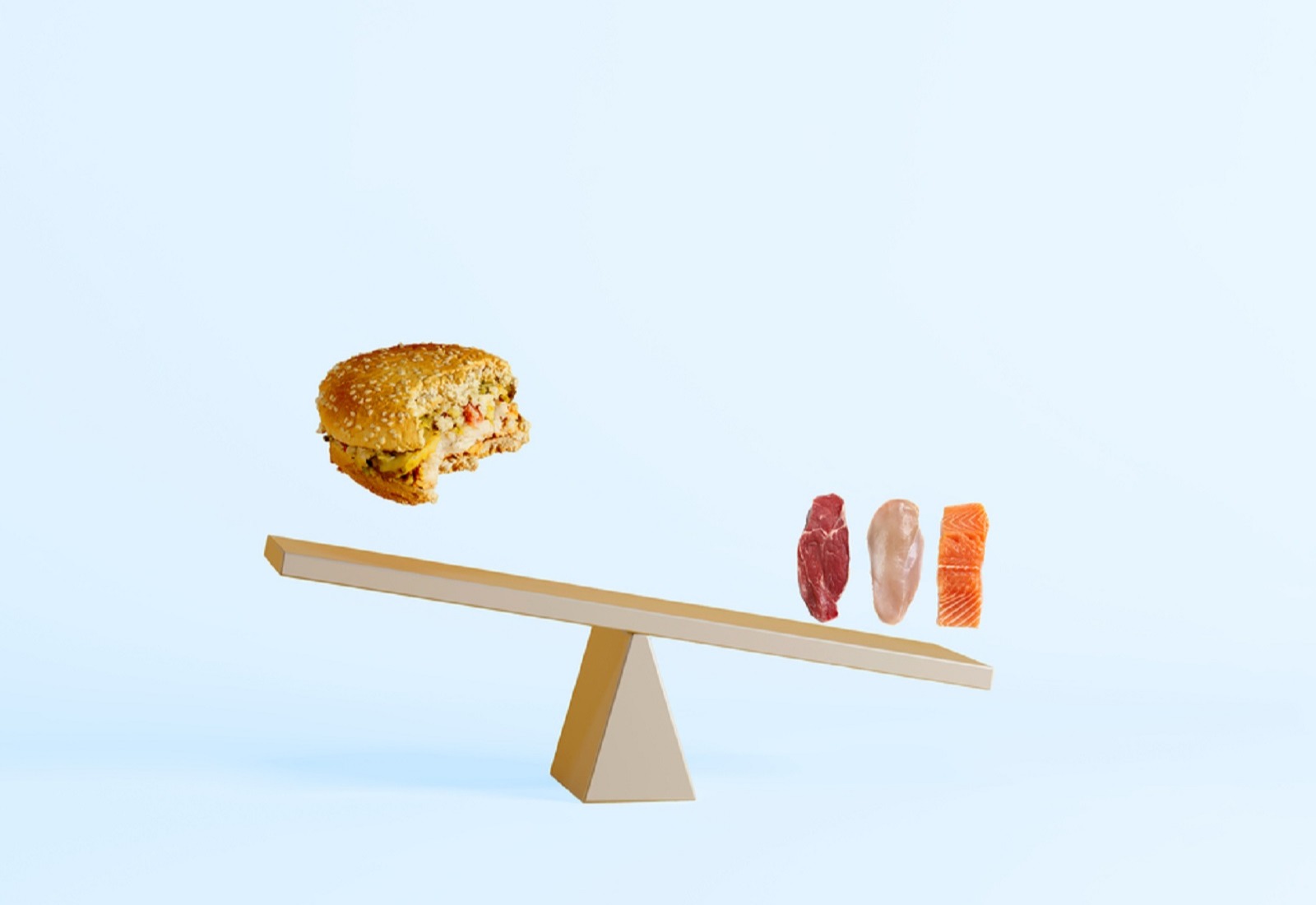
To maintain a healthy body, it's essential to follow a healthy lifestyle, which includes regular exercise and a nutritious diet. Eating healthy ensures that your body receives the necessary nutrients effectively. Nutrition plays a vital role in supporting health during exercise and has a significant impact on overall fitness.
For those looking to exercise regularly, it's important to first understand your fitness goals. If your goal is weight gain or muscle building, your activities will generally involve weights and repetitions. Therefore, ensuring adequate protein intake and rest is crucial.
If your aim is weight loss, you might consider reducing calorie intake. However, this doesn't mean eliminating carbohydrates or skipping meals altogether. Carbohydrates and fats are essential sources of energy for exercise. It's important to follow a balanced nutritional plan. If you’re training for competition, such as in a marathon or long-distance cycling, you'll need to prepare physically with gradual training, proper nutrition, and appropriate recovery.
Exercise Intensity
Based on intensity, exercise can be classified into three categories: light, moderate, and vigorous. Light-intensity exercise typically lasts between 30 minutes to 1 hour and generally does not require specific adjustments to diet, electrolytes, or protein intake. During light-intensity exercise, the maximum heart rate usually ranges between 50-60%.
Moderate-intensity exercise is characterized by a maximum heart rate ranging from 70-80%. This type of exercise typically lasts between 1 to 2 hours. As a result, adjustments to diet, electrolytes, and protein intake are necessary.
Vigorous-intensity exercise is characterized by a maximum heart rate ranging from 80-95% and typically lasts between 1 to 2 hours. Similar to moderate-intensity exercise, it requires careful adjustments to diet, electrolytes, and protein intake.
Nutritional Intake Before and After Exercise
Exercising doesn’t mean you should skip eating before or after your workout. If you're preparing for moderate-intensity exercise, it's beneficial to have a balanced meal with carbohydrates, fats, and proteins 3-4 hours beforehand.
30 minutes to 1 hour before exercising, it’s best to consume easily digestible carbohydrates for energy, such as bread, biscuits, or bananas. Avoid heavy meals before working out, as they can lead to incomplete digestion and may cause nausea or vomiting during exercise.
After exercising, it’s important to replenish with the right nutrients. Avoid the habit of overeating as a form of "revenge eating." Opt for healthy foods that are low in sugar and salt, and avoid high-fat foods. For recovery after intense exercise, ensure adequate intake of carbohydrates and protein. While whey protein is a good option, consume it wisely and avoid excessive intake, as it can put additional metabolic strain on your body.
Protein Intake for Vegetarians
If you’re vegetarian, obtaining nutritious protein sources shouldn't be a problem. Before or after exercise, you can consume plant-based proteins from sources such as tofu, tempeh, quinoa, or legumes. If you follow an ovo-lacto vegetarian diet, you can also include cheese, eggs, or milk in your diet.
Reference:
- Indah, Louise Kartika. The Crucial Role of Nutrition in Optimizing Exercise Performance. Interview, August 2024.
- Schoenfeld, B. J., & Aragon, A. A. Nutrient Timing Revisited: Is There a Post-Exercise Anabolic Window? Journal of the International Society of Sports Nutrition. 2013;10(1):5. (https://jissn.biomedcentral.com/articles/10.1186/1550-2783-10-5). Accessed on 12 August 2024.
- Aragon, A. A., & Schoenfeld, B. J. Nutrient Timing Revisited: Is There a Post-Exercise Anabolic Window? Journal of the International Society of Sports Nutrition. 2013;10(1):5. (https://jissn.biomedcentral.com/articles/10.1186/1550-2783-10-5). Accessed on 12 August 2024.
- Aragon, A. A., & Schoenfeld, B. J. Nutrient Timing Revisited: Is There a Post-Exercise Anabolic Window? Journal of the International Society of Sports Nutrition. 2013;10(1):5. (https://jissn.biomedcentral.com/articles/10.1186/1550-2783-10-5). Accessed on 12 August 2024.